
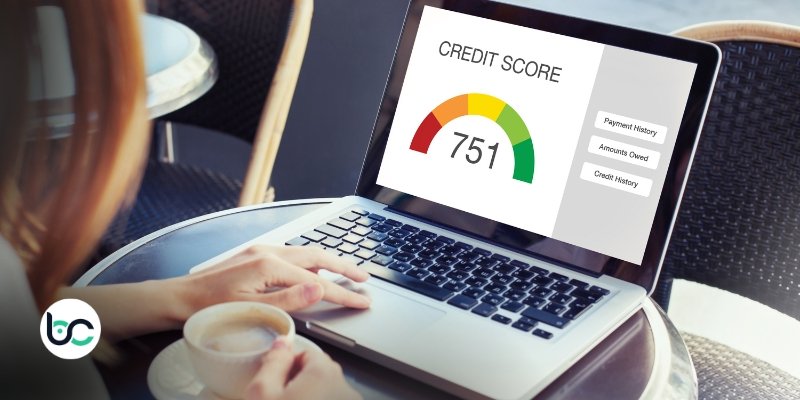
Your business operates with its own unique credit history. Based on the financial history of your business, you have a business credit score, similar to the personal credit score you hold. Every lender, supplier, and prospective partner will check that score. They use it to assess the risk involved with your business. Higher credit scores will make it easier to secure loans and lower insurance premiums. Low credit scores will have the opposite effect.
Step one of securing a better financial future for your business is learning what your business credit score is. Understanding what other entities can see is empowering. This will allow you to fix mistakes, identify areas that can be improved, and manage the financial visibility of your business. This is a credit score, and to change it, you need to have access to it. In this article, we will review the best 5 services for gathering that information in 2026 and show you how to check your business credit score.
Why Your Business Credit Score Matters So Much
Managing business debts is like getting good grades on your financial report cards. If you’re trying to secure a business loan, financial lenders will check your business credit score. Keeping your business score high shows that your repayment practices are punctual. This is a positive low-risk signal to lenders that they’re likely to approve your loan request with The loan will likely come with less interest, too.
Your score here is directly tied to your potential business revenue growth. Good scores also offer vendors, like suppliers, the opportunity to give better business terms. For example, instead of payment periods of 30 days, they can offer 60- or 90-day periods to repay. On the other side of a good business score is a whole spectrum of business growth restrictions from a bad business score. To deal with the reality of what scores can or cannot do is a reality of daily business operations.
A strong credit profile also plays a key role when creating a long-term business growth plan, especially if external funding is involved.
Business Credit vs. Personal Credit: What’s the Difference?
Your personal credit, unlike your business credit, is tied to your Social Security Number. Inquiries from credit agencies like Experian, Equifax, or TransUnion will unveil your personal payment histories on financial obligations like credit cards or car loans.
Your business credit score is associated with your business’s EIN. It analyzes only your company’s financial activities, like payments to suppliers, business loans, and business credit card payments. One of the key factors that separates a business credit score from a personal credit score is privacy. Your personal credit report is private, and no one can access it without your permission. Business credit reports.
However, they are public. Anyone, from a lender to a competitor, can buy and see your business credit report without your approval. That is why it is crucial to check it regularly.
How to Check Your Business Credit Score?
Many different credit bureaus and scoring models exist for business credit. Your score may differ from company to company, but credit bureaus always check the same set of factors. Knowing these factors will help you manage and improve your business credit score.
- Your lender and supplier payment history. It is the most vital factor.
- On-time payments always help your score.
- Late payments. It can hurt your score drastically and quickly.
- Credit utilization, or how much of your total available credit you are using.
- The length of your credit history.
- The size of your business.
- The type of industry your business is in.
Top Tools to Check Your Business Credit Score in 2026
Knowing your business credit score can greatly benefit you. Now, let’s evaluate the business score checking services.
Here is a rundown of the 5 best services that provide in-depth reports and analyses for your business. These tools generate detailed reports, making it easier to interpret credit data if you understand what is the business analytics.
Dun & Bradstreet
Dun & Bradstreet is one of the more recognized names in the business credit reporting space and has been around for a long time. They offer a business credit score. However, first, you need a D-U-N-S number. It is a 9-digit identifier for your business and can be obtained for free.
D&B scores are reflected in the PAYDEX score, which is the most recognized among D&B consumers. This score is reflective of your payment history and is on a scale of 1-100. An 80+ score on the PAYDEX means you are a prompt payer. You pay your bills on time and early.
D&B also offers other ratings that evaluate the likelihood of financial stability. Scores can be obtained for free through their CreditSignal program, which sends you alerts for score changes. However, you can pay for a more detailed analysis of your score.
Experian Business
Businesses are also assessed by Experian. And they have their own business credit score, Intelliscore Plus, which ranges from 1 to 100, with 100 meaning there is very little risk of late payments. Experian also considers data points other than payment history and has more than 800 of them. Some of these include supplier records, collection history, and public records such as liens and judgments.
You can buy Experian credit reports individually or subscribe. With the subscription, you receive constant credit monitoring and will be alerted of any changes to your credit file. It is a great way to monitor your score and protect your business from identity theft and fraud.
Frequently Asked Questions
1. Is checking my business credit score considered a free service?
Some services offer free access to summary information or alerts. These services include D&B’s CreditSignal and Nav’s basic plan. However, to see your full record, detailed report, and score, you must pay or subscribe to a service.
2. Will checking my score lower it?
It does not lower your business credit score when you check it. That is a soft inquiry, and it does not have any effect on your business credit score.
3. What if I see an error in my report?
You should reach out to the bureau that sent you the report. Each of the bureaus has a dispute process that you can follow to have the error checked and corrected.